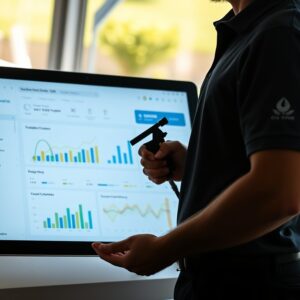
In the dynamic world of pest control, staying ahead means embracing innovative tools that go beyond traditional methods. This blog post delves into how Customer Relationship Management (CRM) isn’t just a fancy acronym, but a genuine game-changer, transforming the way Australian pest control businesses operate. We’ll explore what CRM truly entails for this specialised industry, revealing how it streamlines everything from initial lead generation to the final lure placement. Discover how a robust CRM system can significantly boost customer satisfaction and retention, while simultaneously supercharging your sales pipeline. We’ll also examine its crucial role in optimising scheduling and resource management, empowering you to make data-driven decisions that propel your business growth. Finally, we’ll guide you through choosing the right CRM for your unique Australian business needs and ensure a smooth transition during implementation, offering key takeaways for building a truly thriving pest control enterprise.





Beyond the Basics: Why CRM is a Game-Changer for Pest Control
For too long, many Australian pest control businesses have relied on a patchwork of spreadsheets, paper diaries, and disparate software solutions to manage their operations. This “manual mayhem” often leads to lost leads, missed appointments, and a general lack of oversight. Imagine trying to track customer histories, upcoming service dates, and technician availability across multiple, disconnected systems – it’s a recipe for inefficiency and frustration. CRM fundamentally shifts this paradigm, consolidating all critical information into a single, accessible platform. It’s about ditching the fragmented approach and embracing a holistic view of your business, ensuring that every piece of data, from initial enquiry to follow-up, is right where you need it, when you need it. This centralisation is the first, crucial step in truly optimising your pest control enterprise.
In a competitive market, professionalism isn’t just about showing up on time; it’s about every touchpoint a customer has with your business. A robust CRM system elevates this professionalism dramatically. Think about it: when a customer calls, your team can instantly access their entire service history, previous treatments, and any specific concerns, allowing for a personalised and informed conversation. No more fumbling for details or asking repetitive questions. This level of preparedness instils confidence and trust, demonstrating that you value their business and remember their unique needs. It transforms a routine service call into a reassuring and professional interaction, setting your business apart from competitors who might still be operating with less sophisticated methods.
Many pest control businesses hit a ceiling because their operational inefficiencies hinder their ability to scale. Without clear insights into lead sources, conversion rates, and customer lifetime value, making strategic growth decisions is akin to flying blind. CRM acts as your business’s control tower, providing the data and tools necessary to identify growth opportunities and execute on them effectively. It helps you pinpoint your most profitable services, understand customer demographics, and even predict future demand. By automating routine tasks and providing a clear overview of your sales pipeline, CRM frees up valuable time and resources, allowing you to focus on expanding your service offerings, reaching new markets, and ultimately, achieving sustainable business growth. It’s not just about managing what you have; it’s about building for the future.




What Exactly is CRM for Pest Control
At its core, CRM, or Customer Relationship Management, is a technology system designed to manage all your company’s interactions and relationships with customers and potential customers. For a pest control business in Australia, this means much more than just a digital rolodex. It’s a centralised hub where every piece of client information – from their initial enquiry about pesky spiders or a termite inspection, to their property details, service history, and even their preferred contact method – is meticulously stored and easily accessible. Think of it as your ultimate digital assistant, ensuring no detail is overlooked and every customer interaction is informed and personalised, whether you’re dealing with a residential client in Sydney or a commercial property in Perth.
Unlike generic CRM solutions, a CRM tailored for pest control understands the unique nuances of your industry. This isn’t just about tracking sales; it’s about managing recurring service contracts, scheduling follow-up treatments, recording specific pest issues (e.g., ant species, rodent activity), and noting any particular access requirements for a property. It integrates crucial operational data directly with customer profiles, allowing you to see at a glance when Mrs. Jones in Brisbane is due for her annual termite barrier check, or if Mr. Smith in Melbourne has previously reported an issue with cockroaches after a certain time of year. This specialised approach ensures that the system works *for* your business, not against it, by reflecting your day-to-day operational realities.
Ultimately, CRM for pest control is about building stronger, more profitable relationships. It moves beyond simple transaction tracking to foster loyalty and improve the overall customer experience. By having a comprehensive view of each client, your team can offer proactive solutions, anticipate needs, and provide a consistently high level of service. This means your technicians arrive on site fully briefed, your office staff can answer queries with confidence, and your sales team can identify opportunities for upselling or cross-selling related services, all contributing to a more efficient and customer-centric operation across your Australian business.
Streamlining Operations: From Lead to Lure
Imagine a world where no potential client slips through the cracks. With a robust CRM, your pest control business can achieve exactly that. From the moment a prospective customer contacts you, whether through your website, a phone call, or a social media enquiry, the CRM captures and organises all their details. This eliminates the need for messy spreadsheets or forgotten notes. You can track their initial query, assign them to a sales representative, and monitor their journey through your sales funnel. Automated follow-up reminders ensure timely communication, nurturing leads and significantly increasing your conversion rates. This streamlined approach ensures every opportunity is maximised, moving potential clients efficiently from initial interest to booked service.
Gone are the days of manually drafting quotes and scheduling jobs on disparate systems. A well-integrated CRM solution for pest control allows for automated quote generation, pulling in pricing structures, service packages, and even technician availability. Once a quote is accepted, the system can seamlessly convert it into a job, automatically assigning it to the most suitable technician based on their skills, location, and current schedule. This not only saves valuable administrative time but also reduces the potential for errors. Technicians receive all necessary job details directly on their mobile devices, including customer information, service requirements, and site-specific notes, ensuring they arrive prepared and can focus on the task at hand – from initial assessment to the final lure placement.
The operational efficiency gains extend directly to your field teams. CRM systems empower technicians with mobile access to their daily schedules, customer histories, and even real-time inventory levels. They can update job statuses, record service notes, capture photos of pest activity, and even process payments directly from the field. This immediate data capture eliminates post-service administrative burdens and ensures accurate, up-to-date records for every client. Furthermore, the ability to optimise routes and easily reschedule appointments directly through the CRM reduces travel time and fuel costs, contributing to a more sustainable and profitable operation. This complete visibility from the initial lead to the successful completion of the pest control service ensures a truly streamlined workflow.
Boosting Customer Satisfaction and Retention
In the competitive Australian pest control market, happy customers aren’t just a bonus; they’re the bedrock of a thriving business. A CRM system empowers you to elevate customer satisfaction by providing a personalised, proactive service. Imagine instantly accessing a client’s complete service history – their property type, previous pest issues, preferred technicians, and even their pet’s name – right before a call or visit. This level of detail allows your team to offer tailored advice and solutions, demonstrating that you genuinely understand their needs. Furthermore, automated reminders for upcoming appointments or follow-up treatments ensure clients never miss a crucial service, fostering trust and showing you value their time.
Beyond individual interactions, CRM plays a pivotal role in boosting overall customer retention. By centralising all customer communications, from initial enquiries to post-service feedback, you gain a holistic view of their journey. This data allows you to identify patterns, address recurring concerns promptly, and even proactively offer preventative solutions before new issues arise. Automated communication flows, such as personalised emails offering seasonal pest control tips or loyalty discounts, keep your brand top-of-mind and reinforce your commitment to their long-term pest management needs. This consistent, value-driven engagement significantly reduces client churn and transforms one-off customers into loyal, repeat business.
Moreover, a CRM system facilitates seamless complaint resolution, turning potential negative experiences into opportunities to strengthen customer relationships. When a client expresses dissatisfaction, all relevant information is immediately available, enabling your team to respond quickly and effectively. Tracking these interactions allows you to identify areas for improvement in your service delivery, demonstrating a commitment to continuous enhancement. Ultimately, by providing a consistently positive, responsive, and personalised experience, your Australian pest control business builds a reputation for excellence, leading to glowing reviews, valuable referrals, and a robust, satisfied customer base.
Supercharging Your Sales Pipeline
Imagine never missing a beat with a potential client again. A robust CRM system for your pest control business makes this a reality by automating lead nurturing and follow-up processes. From the moment a new enquiry comes in, whether it’s via your website, a phone call, or a local directory listing, CRM can immediately assign it to the relevant sales team member and trigger a series of personalised communications. This could include automated welcome emails, follow-up messages after a quote is provided, or even reminders for lapsed customers. By consistently engaging with prospects and clients at crucial touchpoints, you significantly increase the chances of converting leads into paying customers and securing repeat business, all without manual oversight hogging your team’s valuable time. It’s about working smarter, not just harder, to keep your sales pipeline flowing.
Gone are the days of manually tracking quotes on spreadsheets or relying on memory. CRM revolutionises your quote management by providing a centralised platform to create, send, and track every single proposal. Your sales team can quickly generate professional-looking quotes, including detailed service breakdowns and pricing, directly from the system. More importantly, CRM allows you to monitor the status of each quote in real-time – know when it’s been viewed, accepted, or if a follow-up is needed. This level of visibility empowers you to identify bottlenecks in your sales process, understand which services are most popular, and pinpoint areas for improvement. By accurately tracking conversion rates, you can optimise your pricing strategies and sales pitches, ultimately leading to a healthier bottom line and a more efficient sales cycle.
A well-implemented CRM isn’t just about winning new business; it’s also a powerful tool for maximising revenue from your existing customer base through intelligent upselling and cross-selling. By maintaining comprehensive customer histories, including past services, property details, and specific pest issues, your CRM can identify opportunities to offer additional or complementary services. For instance, if a customer previously had a termite inspection, the system might flag them for a preventative treatment reminder. Or, if they’ve had issues with ants, you could proactively suggest a broader pest management plan. This data-driven approach allows your sales team to make highly relevant recommendations, demonstrating your expertise and commitment to comprehensive pest solutions, thereby increasing customer lifetime value and significantly boosting your overall sales figures.
Optimising Scheduling and Resource Management
In the pest control game, efficiency isn’t just a buzzword; it’s the difference between a profitable day and a logistical nightmare. A well-implemented CRM system fundamentally transforms how you manage your team and your tools. Imagine a world where you can instantly see which technicians are available, their current location via GPS integration, and the specific skills they possess – all from a single dashboard. This allows for intelligent, dynamic scheduling, ensuring the right person with the right expertise is dispatched to the right job, minimising travel time, fuel costs, and those frustrating double-bookings. No more scribbled notes or endless phone calls; just streamlined, optimised operations.
Beyond just who goes where, CRM also revolutionises resource management. It provides a centralised hub for tracking your inventory of baits, traps, sprays, and other essential equipment. You can monitor stock levels in real-time, set automated reorder alerts, and even assign specific equipment to individual jobs or technicians. This proactive approach prevents costly delays caused by missing tools or depleted supplies, ensuring your team arrives on-site fully prepared. Furthermore, CRM can log equipment maintenance schedules, ensuring your vehicles and specialised gear are always in top working order, reducing downtime and extending their lifespan.
The beauty of a CRM in optimising scheduling and resource management lies in its ability to provide a holistic view of your operations. By integrating job details, technician availability, customer locations, and inventory, you can develop highly efficient routes, group nearby appointments, and even factor in traffic conditions. This not only boosts productivity but also enhances customer satisfaction by ensuring timely arrivals and consistent service delivery. Ultimately, a robust CRM empowers your Australian pest control business to operate with precision, reduce operational overheads, and deliver exceptional service, every single time.
Data-Driven Decisions for Business Growth
In the competitive Australian pest control landscape, flying blind is a recipe for disaster. A robust CRM system acts as your business’s central nervous system, collecting and collating a wealth of data that, when analysed, provides invaluable insights into your operational performance. Imagine being able to pinpoint your most profitable service areas, identify which marketing campaigns are truly generating qualified leads, or even understand the average time it takes from initial enquiry to job completion. This level of granular detail allows you to see what’s working and, more importantly, what isn’t, empowering you to allocate resources more effectively and refine your strategies for maximum impact. It’s about moving beyond guesswork and embracing evidence-based decision-making.
Beyond understanding past performance, a sophisticated CRM system can equip your pest control business with the power of predictive analytics. By analysing historical data on customer behaviour, seasonal trends, and service demand, you can forecast future needs with greater accuracy. This means anticipating busy periods for specific pests, optimising your inventory of chemicals and equipment, and proactively scheduling technicians to meet expected demand. For instance, if your CRM reveals a consistent spike in spider treatments during late summer in coastal regions, you can pre-emptively ramp up your advertising and technician availability in those areas. This forward-thinking approach minimises downtime, maximises resource utilisation, and positions your business for sustainable growth in the dynamic Australian market.
Data-driven decisions are the bedrock of strategic business expansion. With a CRM, you’re not just reacting to market conditions; you’re actively shaping your growth trajectory. By analysing customer demographics, service profitability by region, and competitive landscape insights gleaned from your CRM, you can identify untapped market opportunities or determine the viability of introducing new services. Perhaps your data indicates a growing demand for eco-friendly pest control solutions in urban areas, or a significant gap in rodent control services in a neighbouring suburb. This intelligence allows you to make informed decisions about where to invest your marketing efforts, whether to expand into new territories, or what innovative services to offer, ensuring your expansion is calculated, profitable, and aligned with genuine market needs, rather than just a hunch.
Choosing the Right CRM for Your Australian Business
When it comes to selecting a CRM for your Australian pest control business, it’s not a one-size-fits-all scenario. You’ll want to prioritise systems that offer industry-specific functionalities, rather than generic platforms. Look for features that cater directly to pest management, such as the ability to track specific pest types, manage treatment schedules with recurring appointments, and record details like chemical usage and safety data sheets. Consider CRMs that integrate with mapping tools for optimised route planning, which is invaluable for geographically dispersed jobs across our vast continent. Don’t forget to assess local support and compliance with Australian privacy laws (like the Australian Privacy Principles) – it’s crucial for protecting your clients’ data and avoiding potential legal headaches.
Beyond industry-specific features, consider the scalability and user-friendliness of the CRM. As your business grows, your CRM should be able to keep pace without requiring a complete overhaul. Look for flexible systems that can accommodate an increasing number of users, customer records, and service offerings. Equally important is the user interface; if your technicians and office staff find the system clunky or difficult to navigate, adoption rates will plummet, and you won’t reap the full benefits. Many CRM providers offer free trials, so take advantage of these to test drive a few options with your team and get their feedback. This hands-on approach will ensure the chosen system is intuitive and integrates seamlessly into your daily workflows.
Finally, delve into pricing models and integration capabilities. Some CRMs offer tiered pricing based on features or user count, so compare these carefully against your budget and anticipated needs. Don’t just look at the upfront cost; consider ongoing subscription fees and potential costs for add-ons or customisation. Crucially, assess how well the CRM integrates with other software your business already uses, such as accounting platforms (like Xero or MYOB, popular in Australia), payment gateways, or your existing website. Seamless integration minimises manual data entry, reduces errors, and creates a more efficient, interconnected operational ecosystem for your Australian pest control enterprise.
Implementing CRM: A Smooth Transition
Implementing a new CRM system doesn’t have to be an all-or-nothing, disruptive overhaul. A phased rollout strategy is often the most effective way to ensure a smooth transition for your Australian pest control business. Start by piloting the system with a small, enthusiastic team or department. This allows you to iron out any kinks, gather valuable feedback, and refine your processes before a wider deployment. Crucially, invest in comprehensive training for all staff – from your office administrators managing bookings to your technicians in the field. Tailored training sessions, perhaps even incorporating real-world scenarios specific to pest control, will empower your team to confidently utilise the new system, maximising its benefits from day one. Remember, user adoption is key to the success of any CRM implementation.
One of the most critical aspects of implementing a CRM is ensuring your existing customer data, service history, and scheduling information are seamlessly transferred. Don’t underestimate the importance of meticulous data migration. Start by cleaning your current databases, removing duplicates and outdated entries to ensure you’re only bringing across accurate, high-quality information. Work closely with your CRM provider to plan the migration process, understanding their capabilities for importing various data formats. Furthermore, consider how your new CRM will integrate with other essential tools you currently use, such as accounting software or existing mapping applications. Smooth integration prevents data silos, optimises workflows, and ensures all your business functions are working in harmony with your new CRM.
The journey with your CRM doesn’t end after the initial implementation. To truly leverage its power, ongoing support and continuous optimisation are essential. Establish clear channels for staff to report issues, ask questions, and provide feedback on the system’s performance. Regularly review your CRM’s usage patterns and data analytics to identify areas where processes can be further streamlined or automated. Your chosen CRM provider should offer robust post-implementation support, including technical assistance, updates, and potentially even user forums or resources. As your Australian pest control business evolves, so too should your CRM strategy. Periodically assess if the system is still meeting your needs and explore new features or integrations that can further enhance its value and drive continued growth.
Key Takeaways for a Thriving Pest Control Business
Ultimately, a robust CRM system isn’t just a fancy piece of software; it’s a fundamental shift in how you operate your pest control business. By centralising client data, automating administrative tasks, and providing invaluable insights, CRM empowers you to move beyond reactive pest management to proactive business growth. From the initial lead to long-term client loyalty, a well-implemented CRM streamlines every facet of your operations, freeing up your team to focus on what they do best: delivering exceptional pest control services across Australia.
Embracing CRM means optimising your scheduling, enhancing customer satisfaction, and making data-driven decisions that fuel your bottom line. It’s about building stronger relationships with your clients, improving efficiency, and ultimately, ensuring your pest control business doesn’t just survive, but truly thrives in a competitive Australian market. Invest in the right CRM, and watch your business soar.